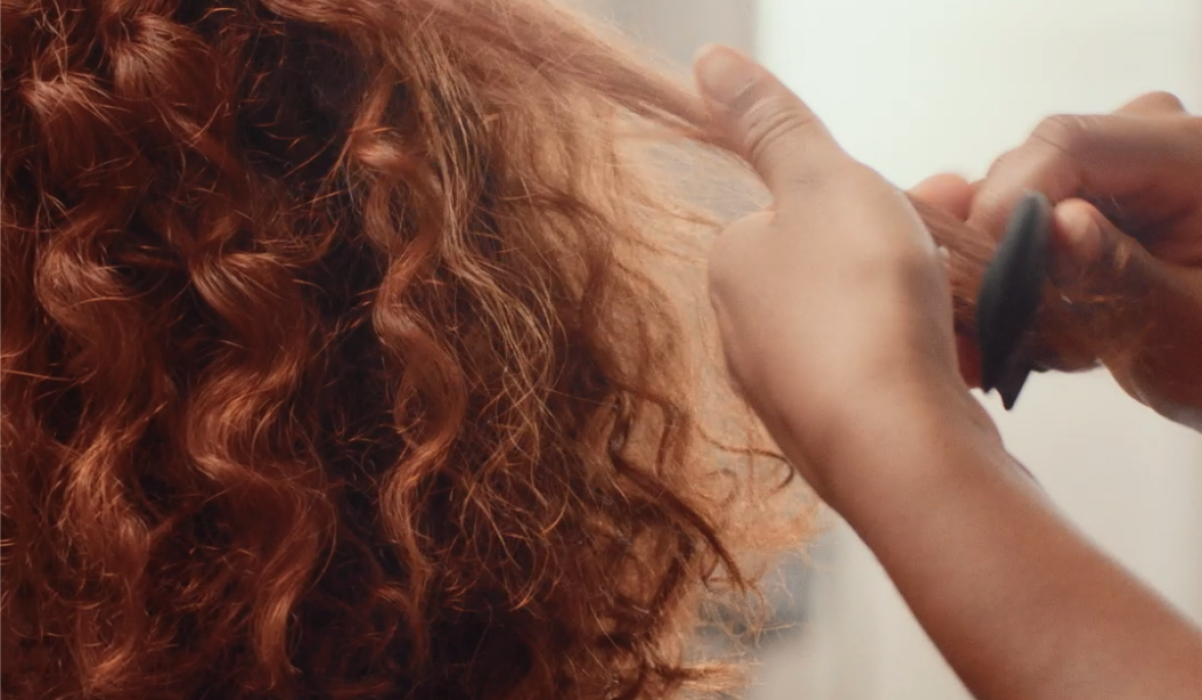
Known for its fortifying properties and beautiful coppery hue, henna is often used in plant-based colouring. A wide range of colours can be achieved, from golden blond to light chestnut and intense red. Find out how henna works on hair and how to use it properly to achieve auburn tones.

Why does plant-based colour contain henna?

Henna is one of the most important ingredients in plant-based colouring: it is used in almost every shade, whatever the brand. Henna is one of the most effective plants in hair colouring: it is used to both add coppery pigment to the colour and to set the mixture around each hair fibre. 

Plant-based colouring works through transparency, which means that henna will not turn the hair red by replacing the natural pigments like a chemical dye. However, it will create auburn highlights of varying intensity depending on the shade chosen and the natural colour of your hair.

rf_ivive_coloration-vegetale-cheveux

What is the role of henna in plant-based colouring?

Known for thousands of years for its impressive properties on the skin and hair, henna was used in beauty products as far back as ancient times. It contains lawsone, an active ingredient that brings a beautiful coppery hue to the skin, hair and textiles. It is also rich in polyphenols – plant substances that help set the plant-based dye around the hair fibre and produce a dark blond colour. 

The colour achieved with a plant-based henna dye depends on the concentration of dyeing agents in the powder and the amount of water added to dilute it. Plant-based auburn colours contain the most henna.

The henna used in the IVIVE shades is 100% natural and certified organic and Fair For Life. Our laboratory has developed two patented extracts from henna: one to set the colour and the other to create various shades of colour.

What types of hair can use henna colouring?

In general, henna can be used safely on all hair types. For this reason, plant-based colouring is often recommended for pregnant women  and for those who have recently undergone intensive medical treatment, such as chemotherapy.

It can be applied to naturally auburn hair to soften the appearance of early white hairs, or to blond to light chestnut hair to add natural auburn highlights.

Auburn colouring: why use plant-based henna rather than chemical colouring?

Henna has always been a symbol of protection. The oil contained in its seeds has been used since ancient times to strengthen and shape the hair. Henna is not only used to create a plant-based auburn colour: it is also an effective treatment for the hair. 

With chemical colouring, the opposite is true: the chemicals penetrate the hair and scalp, reaching the blood vessels. They destroy the hair's natural pigments and replace them with the chosen colour. Chemical colouring damages the hair over the long term and is even advised against for pregnant women because of its potential toxicity.

What shades can be achieved with plant-based auburn colouring?

Natural henna colouring can be used to recreate all coppery shades, from intense red to Venetian blond. Combined with other dyeing agents, the colours available range from blond to light brown. 

With IVIVE you can choose from seven different shades: natural pearly blond, pure golden blond, pure auburn, natural auburn, natural auburn light brown and golden natural light brown.

rf_ivive_range_packaging_4x3

Plant-based dye does not change the colour of the hair, but it forms a colour envelope around the hair fibre. It therefore works through transparency and reflects the natural shades of your hair. This is why the same shade will produce different results on different people. 

With IVIVE, there’s no need to worry about the choice of colour: IVIVE colourists are trained to identify the most appropriate shade for your hair to ensure that you get the result you want. If you want auburn highlights, they will choose a more concentrated henna shade while respecting your hair tone.

The amount of henna in IVIVE colours is extremely precise: we make sure that each bag of dye powder is absolutely identical in composition to guarantee a reliable and balanced result. This means there is no risk of overusing henna, which can lead to very red hair when present in large quantities.

How do we get an auburn henna colour?

The best way to get an auburn henna colour is to have your hair dyed by a professional colourist specialized in plant-based colouring. Even a slight overuse can result in intense red highlights that you may not have wanted. 

On your visit to the salon, the colourist will listen to what you're looking for and suggest the most appropriate shade depending on the characteristics of your hair. With IVIVE, you can also be sure that each bag contains exactly the same proportion of henna and that you’ve chosen the right colour.

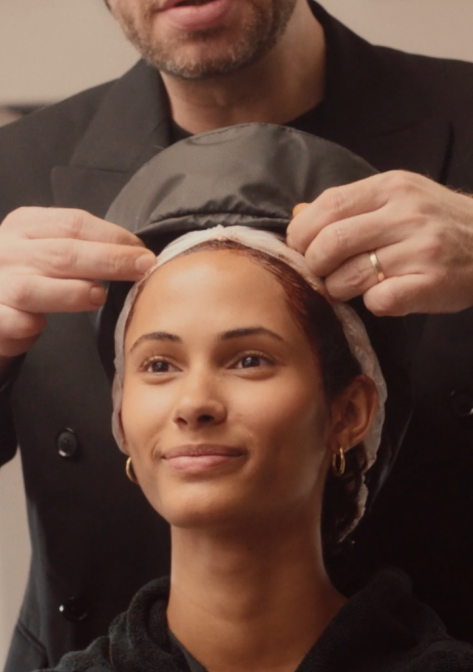
After washing your hair with a strengthening shampoo, the colourist will apply the colour to your hair, section by section. You will then need to place your hair under a heating cap and wait for the dyeing agents to take effect. This takes about 30 to 45 minutes with IVIVE. With a traditional plant-based colour, you would be waiting more than two hours before you could rinse your hair.

rf_ivive_coloration-vegetale_bonnet

After a plant-based colour treatment, you can rinse your hair with clean water but you must not use shampoo for at least two days. This is because the colour will oxidize for 48 hours after colouring to reach the desired shade, and shampoo cannot be used during this process.

Can I dye my hair auburn with henna at home?

If you like to experiment with your hair and want to try henna colouring at home, exercise caution: without expert advice, it’s easy to overuse henna or choose a colour that is unsuitable for your hair. You may end up with an intense red when you wanted a slightly coppery blond. 

Henna is also difficult to handle: it can permanently stain clothes, which is almost impossible to avoid if you apply your own colour. 

This is why we have decided to offer IVIVE at trade shows only. This way, you can be sure that you’re choosing the right shade for your hair and that the colour is applied correctly for shiny, beautiful hair.

MORE ON THIS TOPIC

Does plant-based colour work on white hair?

OUR PLANT-POWERED HAIR DYES DESIGNED FOR YOU

ADDITIONAL ARTICLES