Everything you need to know about dyed hair

Updated on , validated by our team of René Furterer experts.

One in two women colour their hair. Dyeing our hair reflects our style and personality, whether we want to cover up white hair, add tones or change our look.
But before you rush to the hairdresser's, it's important to know how hair dyes work and how you should care for coloured hair. 
Here's our guide to the different types of hair dye, how to choose the perfect shade, plus our expert's advice on how to keep your colour looking as if you've just stepped out of the hairdresser's.

What are the different types of hair dye?

Nowadays, there are hair dyes for all needs and tastes! But if you're going to get that showstopping colour, it's important to understand the various hair colouring techniques.                                                               

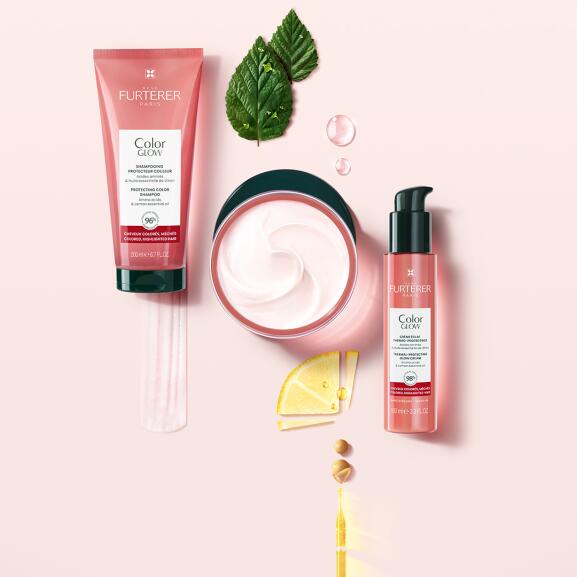
rf_color_glow_hair_coloration_472_472

Oxidation dyes (permanent)

Oxidation dyes, AKA permanent dyes, cover the entire colour spectrum, from the lightest to darkest shades, and can be used whatever your natural hair colour is. They last for ages, but can badly damage the hair shaft if used in the long term. It also means our hair is often bleached before the pigment is applied.

Semi-permanent hair dyes

Semi-permanent dyes fade after 6 to 8 washes. They're a great way to try out new colours without taking too many risks. They're ideal if you're unsure about which shade to choose before you commit to a permanent colour. The only drawback is that a bleaching product may be needed before applying the dye, particularly if you want to lighten your hair.

Tone-on-tone colouring

As the name suggests, tone-on-tone dyes add tones and glints that seamlessly blend in with your natural hair colour. Your  hair doesn't need to be bleached in advance, the dyes cause less harm to the hair shaft, but there's a more limited choice of shades.

Vegetable hair dyes

Vegetable dyes add bright tones to the hair. They are made using active ingredients from plants such as henna, and surround the hair shaft with a coloured sheath. Vegetable dyes are the only colours that don't damage the hair shaft: on the contrary, they strengthen and protect the hair while adding colourful tones. However, they won't lighten your natural hair colour.

Balayage and highlights

Balayage (from the French word for "sweep") adds shades to the hair by lightening or darkening tones Highlights work on the same principle, but the result is far more pronounced. Highlights and balayage can be applied to natural or coloured hair.

RF_COLOR-GLOW_range_launch-mood_RVB_23

How do you choose the right colour?

The choice of colour boils down to taste: golden blonde, jet black or fuchsia, it is, after all, your mane! 
However, there are still a few points to consider when choosing your colour: 

  • Bleaching is inevitable if you want to lighten your hair, and it can badly damage the hair shaft. 
  • Intense colours or shades that differ greatly from your natural hair colour require permanent dyes, which can damage hair in the long run. 

So we highly recommend you see a professional colourist before taking the plunge. Professional colourists will not only give you an objective opinion but also show you which shades and techniques are best to achieve the look you're after.
Trusting a colourist  is a far safer bet than using an at-home dye kit. This is because your natural hair colour will influence the end result, so a pro will blend the right pigments to avoid unwanted tones. A professional will know which shade and what doses are required for a perfect result based on the look you're after, your hair type and your cut.

How should you care for dyed hair?

"Chemical dyes' composition and action harm hair. Using them can leave hair damaged, dry and dull. And the more porous your hair, the quicker the colour fades, meaning you'll have to dye your hair more often, which in turn causes further damage to the hair shaft.

Dyed hair, therefore, needs specific treatments to keep it healthy: 

  • the use of suitable treatments to nourish the hair shaft and fix the colour
  • permanent protection against the elements (heat, UV rays, salt, wind, etc.)

How to keep dyed hair in tip-top condition

Chemical dyes damage the hair, so it needs specific treatments to repair it and bring out its colour Here are some tried and tested tips to keep your hair in great condition and show off your colour's unique lustre: 

  • Apply a repairing mask at least once a week to nourish the hair shaft
  • Don't wash your hair with very hot water and limit the use of heated hairstyling appliances
  • Apply a daily leave-in treatment to protect the hair shaft

Opt for natural hair dyes to avoid damaging your hair: they won't harm the hair shaft and will leave you with soft, shiny locks even if you regularly colour your hair. 

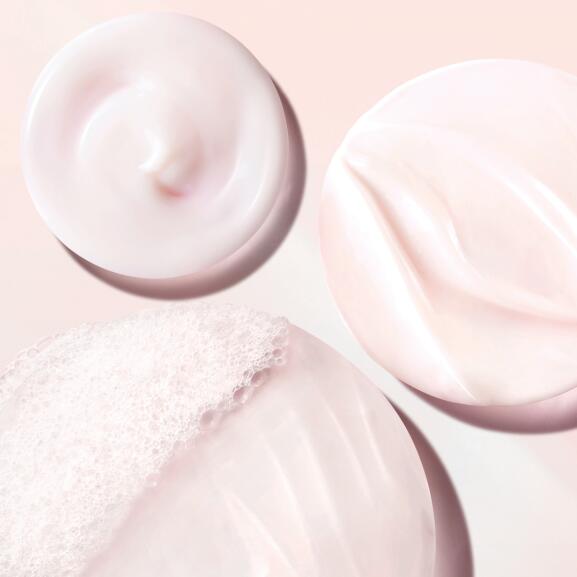
RF_COLOR-GLOW_textures_CMJN_4-5_23

Our tips for a colour that lasts

The best tip for a colour that lasts is to go for a salon-quality hair dye preferably applied by a professional. Plus, low-quality hair dyes have a tendency to bleed. 
You can also protect your colour on a daily basis to keep it looking salon-fresh for longer: 

  • Protect your hair from the sun with a hat or UV treatment.
  • Apply a vinegar solution to smooth and seal your hair's protective cuticles.
  • Give your hair a quick shampoo after swimming in a pool or the sea to remove chlorine, salt and impurities.

The best routine for looking after dyed hair

It's important you choose haircare treatments designed for coloured hair to keep your mane in good condition. Here's an essential go-to routine for coloured hair 

Everyday care

Always use a shampoo and conditioner specifically designed for dyed hair. You'll find haircare for specific colours that even out any unsightly tones and revive the colour with every wash. 
It may seem overly fussy, but the choice of product makes a huge difference, as hair dyes can bleed when we wash our hair and unsuitable products will just make this worse.
Apply a heat-protection treatment to protect your colour before blow-drying or using heated appliances.

Intensive treatments

In addition to daily care, apply a repairing mask one to three times a week to deeply nourish and repair your hair. You'll be giving your hair all the nutrients it needs to regenerate. They leave the hair soft and bouncy and combat the harm caused by chemical hair dyes. 

Haircare routine for dyed hair

Our expert care products