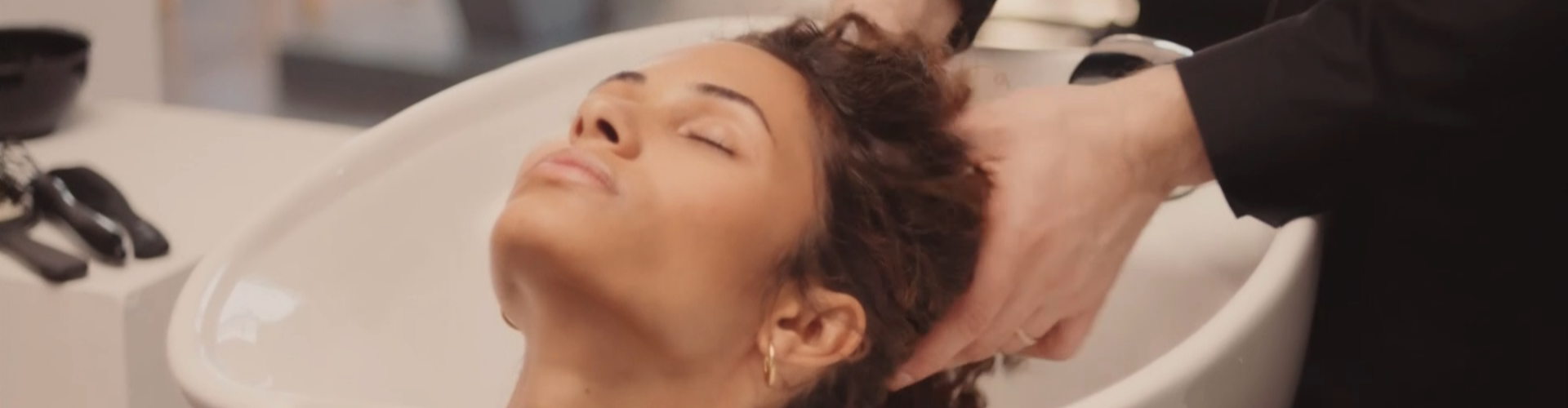
When pregnant, it is best to avoid putting substances with potentially harmful effects on your skin or hair. But that doesn't mean that you can't look good: a happy and contented mother will give their baby the best start in life! 

Find out how to colour your hair during pregnancy with no risk to your child with plant-based colour treatments.

Is colouring dangerous during pregnancy?

Normally, our body can tolerate being exposed to certain chemicals because it is able to eliminate toxins. 
But during pregnancy, everything in the mother's bloodstream is also in the bloodstream of the foetus, which is much more sensitive and highly vulnerable to harmful substances. This is why expectant mothers are advised to stop smoking and drinking when they are pregnant.

Although less harmful than cigarettes or alcohol, chemical colouring is also discouraged during pregnancy. This is because it contains active chemicals that can penetrate the scalp as far as the blood vessels. You then run the risk of passing on these substances to your baby, which could cause developmental issues. 

Plant-based colour, on the other hand, is completely safe for pregnant women: it contains only natural plant extracts and does not penetrate the scalp. This makes it a very effective alternative to continue looking after your hair while waiting for baby to come!

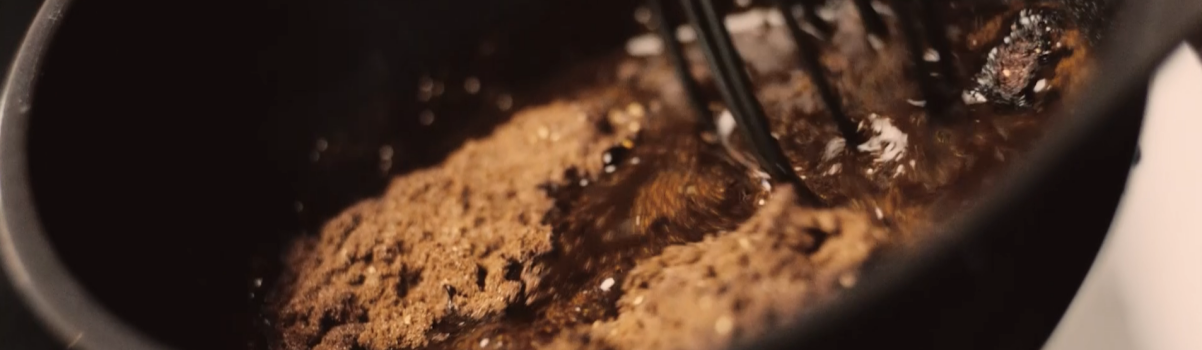
rf_ivive_coloration-vegetale_texture

The list of colouring products to avoid if you are pregnant

On the list of ingredients used in colours, the following are suspected of being endocrine disruptors: 

  • paraphenylenediamine (or PPD); 
  • formaldehyde;
  • ammonia;
  • hydrogen peroxide; 
  • parabens;
  • phthalates;
  • resorcinol;
  • toluene, etc. 

In general, all chemical colours contain at least one of these ingredients. Bleaching and lightening colours are generally the most aggressive so it is best to avoid them completely. 

I’ve had my hair coloured chemically while pregnant. Is this a bad thing?

Did you have a chemical colour treatment during your pregnancy because you didn't know you were pregnant or because you simply didn't know the dangers of these products? 

Don't panic: while chemical colours are advised against to minimize risk, this does not necessarily mean that your baby has been affected. Just make sure you stop using these substances for the rest of your pregnancy and use a natural alternative such as plant-based colouring.
 

What colouring should I choose during pregnancy?

Just as you are careful about the foods, drinks and cosmetics you choose while pregnant, you should also be careful about the ingredients in your hair colour. 
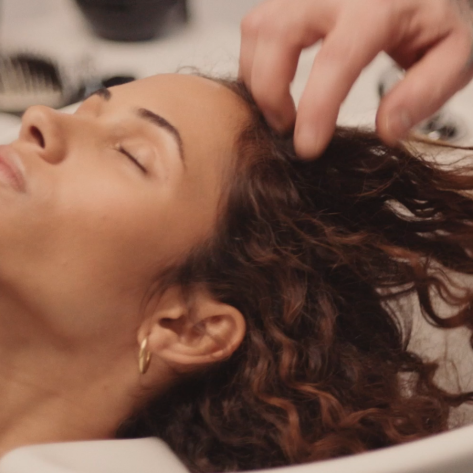
rf_ivive_coloration-vegetale-bac

For pregnant women, plant-based, chemical-free hair colour is recommended. Check that the ingredients are 100% natural and organically grown to ensure that they do not contain any pesticides or other harmful substances. This is the case for IVIVE, René Furterer's plant-based hair colour, which has been tested by toxicologists to ensure the safety of you and your baby. 

How does plant-based colouring work?

Plant-based colour contains powdered dye plant extracts. Mixed with hot water, this powder forms a dye paste which can then be applied to your hair. 
Unlike chemical colours, plant-based colours do not penetrate the hair. The colour attaches to the hair fibre, forming a transparent coloured sheath which alters your natural colour. This is called tone-on-tone colouring. 

What ingredients are used in plant-based colours? Is it harmful to my baby?

Plant-based colours contain natural ingredients. They often use a mixture of plants with varying concentrations depending on the desired colour. The ingredients in the IVIVE range are all certified organic and vegan, and harmless to you and your pregnancy. 
 

  • Henna: the lawsone in henna sets the colour and brings a blond to auburn hue to the mixture. IVIVE colours never contain more than 1.3% lawsone, a level below the recommendations of the European Committee on Consumer Safety.
  • Gardenia: offering a palette of blond shades, gardenia is a completely harmless natural active ingredient. 
  • Sorghum: organically grown in France, our sorghum reveals red to brown tones in the hair.
  • Chlorophyll: extracted from alfalfa leaves, chlorophyll brings ashy tones to the colour.
  • Xanthan gum: this plant-based active ingredient thickens the mixture for easier application.
  • Citric acid: also 100% plant-based, it alters the pH of the mixture and brings golden highlights to the hair.
RF_IVIVE_Henne_Active-ingredient_LIFESTYLE_21

What colours are available with plant-based dye?

With plant-based colouring, you can choose from a whole range of natural colours, from golden blond to light brown – you’re spoilt for choice! 

The only limitation of plant-based colouring is that it cannot bleach the hair as this requires a chemical process. You cannot therefore lighten your natural colour, have a balayage or choose an unnatural colour such as blue or purple. Since plant-based colouring works through transparency, you are also unable to choose a shade that is the opposite of your natural colour: if you are blond, for example, you will not be able to achieve a very dark brown.

How is plant-based colour applied?

The easiest way to apply a plant-based colour is to visit your colourist. This way, you can be sure that you’re choosing a professional hair colour with a reliable composition and that the treatment will be carried out by an experienced specialist. And you’ve got to admit that when you're pregnant, it's much more comfortable to be pampered in a salon than to wriggle around and apply colour to each section yourself.

During your visit, the colourist will help you choose the right colour for your hair. Then, after washing your hair, they will apply the dye mixture section by section. You will then have to wait for the plant-based colour to set under a heated cap. This usually takes two hours or more. In a rare exception to the rule, IVIVE works in just 30 to 45 minutes, thanks to its carefully designed formula. 

During this process, the dyeing agents set around the hair fibre without penetrating the hair or the scalp. So your baby will not come into contact with these substances.

Your hair is then rinsed to remove any residue. Shampooing should be avoided for the first two days after colouring to allow time for the pigments to oxidize and reach the desired shade.
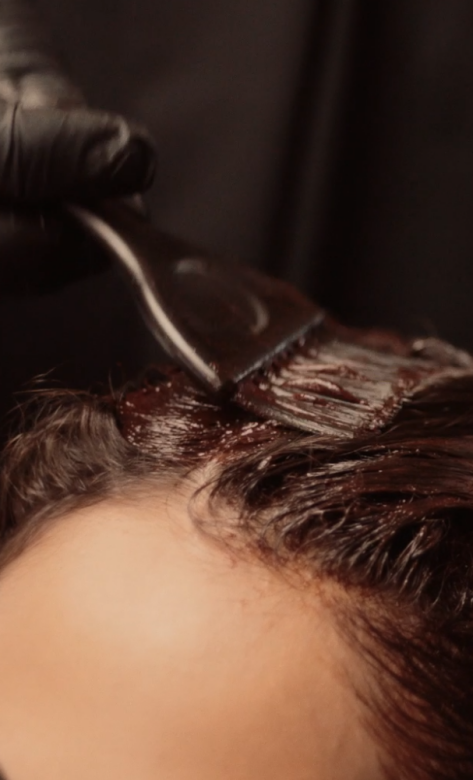

rf_ivive_coloration-vegetale_pose

How often can you colour your hair during pregnancy? 

As long as you use a plant-based organic hair colour, you can colour as often as you like. Although plant-based colour does not produce a pronounced root effect, return every five to six weeks on average to keep your colour vibrant.

rf_de_chutech_22

Can you also dye your hair while breastfeeding?

Don't go straight back to your old ways after giving birth: as long as you’re breastfeeding, there's still a risk that you’ll pass on harmful substances to your baby if you’re not careful. Continue to use organic plant-based colours until your child is no longer breastfeeding to avoid any risk of developmental disruption. 
And who knows? Maybe you'll get a taste for the bright, natural – and safe – highlights offered by plant-based colours.

MORE ON THIS TOPIC

Can I have a chemical hair colour treatment after a plant-based colour treatment?

OUR PLANT-POWERED HAIR DYES DESIGNED FOR YOU

ADDITIONAL ARTICLES