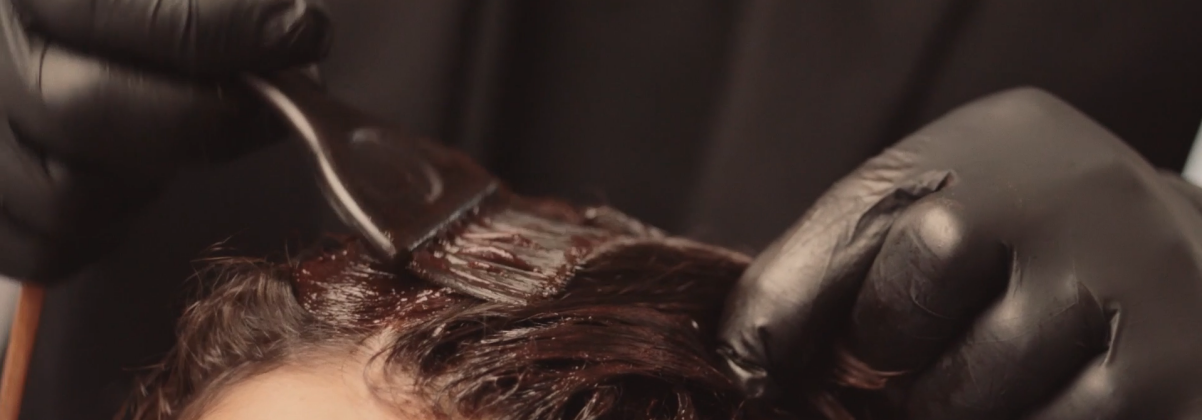
Used to chemical colouring and want to try plant-based colouring? Or do you want to go back to chemical colouring after a plant-based colour treatment? Depending on the ingredients in your colour, this is not always possible. 
Find out how to alternate between chemical and plant-based colouring without damaging your hair.

What is plant-based colouring?

Plant-based colour contains plant extracts known for their dyeing properties, such as henna and sorghum. Instead of penetrating the hair fibre to replace the pigments in the hair, it coats the hair with a coloured sheath and changes the colour through transparency. 

RF_IVIVE_Henne_Active-ingredient_LIFESTYLE_21

What is chemical colouring?

Chemical colour contains a mixture of oxidizing products which open the hair fibres, penetrate to the cortex and destroy the melanin (the pigment responsible for your natural colour), replacing it with artificial pigments. This allows you to get any colour you want, regardless of your original colour, but it is also a very aggressive process that damages the hair fibre.

Can we switch from chemical to plant-based colouring?

Traditional plant-based colours are generally not compatible with chemical colours: if you apply a plant-based colour after a chemical colour, you risk an undesirable reaction between the two products. For example, some plant-based colours contain indigo and, if used on bleached hair, the combination will give your hair a green tinge. 
IVIVE is currently the only plant-based colour that can be safely combined with chemical hair colour. We've been careful to use only ingredients that do not interact with chemical hair colours so you can enjoy all the benefits of plant-based colour without waiting for your old colour to grow back and the accompanying root effect.

Switching to plant-based colouring after chemical colouring.

To switch to plant-based colouring, first wait until your hair has grown enough to remove the previous colour. This step is not necessary if you choose IVIVE. 
Then go to a colourist. There are at-home plant-based colours available but this is not recommended the first few times as some experience is needed to select the right colour for your hair. In addition, some plant-based colours such as IVIVE are only available in salons.

rf_ivive_coloration-vegetale_quoi

Chemical colouring after plant-based colouring

With most plant-based colours, it is very difficult to switch back to chemical colour before your hair has grown back. The protective sheath formed by the plant-based dye will prevent the chemical dye from penetrating the hair and changing the colour. So you will end up with a very bland colour. In addition, because the plant-based colour is still present, it will overlay your chemical colour, which may result in a very different tone from what you had in mind. 

IVIVE is once again the exception to the rule: we have designed all our formulas so you can revert back to chemical colouring with no risk.

How do you go back to plant-based colouring?

To return to chemical colouring after a plant-based colour treatment, you’ll have to wait for your hair to grow back to prevent the new colour from coming into contact with the old colour. 

If you’ve chosen IVIVE, you can re-colour your hair chemically as soon as you wish. There is no need to wait until your old colour has completely gone. 

Is it possible to use both plant-based and chemical colours?

Plant-based dye does not lighten the hair so this method will not work alone if you want a balayage or to lighten certain sections. The only solution is to use a bleaching product on top of the plant-based colour. 

However, this is strongly discouraged in most cases as applying a chemical colour on top of a plant-based colour may lead to green highlights or other undesirable reactions. 

At René Furterer, we want you to enjoy a natural, protective plant-based hair colour without giving up balayage or other aesthetic effects. This is why we have developed IVIVE, a plant-based hair colour that is 100% compatible with chemical colouring: you can use both at the same time without no issues!

Plant-based or chemical hair colour: which to choose?

Are you still unsure whether to go for a plant-based or chemical colour? 
If you are colouring your hair to soften the appearance of your first white hairs or because you want blond, auburn or chestnut highlights in your hair, plant-based colour is the ideal option: it colours your hair naturally and works like an effective treatment. Plant-based colouring is very gentle on the skin and hair and therefore also recommended for pregnant women as well as those in ill health or with a sensitive scalp. 

rf_coloration-vegetale_cheveux-blancs-avant
rf_coloration-vegetale_cheveux-blancs-apres

Chemical colouring is much more aggressive and damages the hair over time but it is also the only solution if you want to lighten your hair or are looking for a more “exotic” shade such as bright red or blue.

MORE ON THIS TOPIC

Plant-based colouring: how to colour blond hair naturally.

OUR PLANT-POWERED HAIR DYES DESIGNED FOR YOU

ADDITIONAL ARTICLES