Why is my hair not growing? Solutions and advice

Why is my hair not growing? Solutions and advice
Updated on , validated by our team of René Furterer experts.
Healthy hair grows about 0.3 mm per day, or 12 cm per year. However, we sometimes feel like hair growth slows down or even stops completely. This variation can be explained by a poor physical or emotional state, deficiencies, stress, or an unsuitable hair care routine. Solutions exist to help you regain beautiful, thick, and healthy hair. Follow our advice.
Understanding the hair’s life cycle
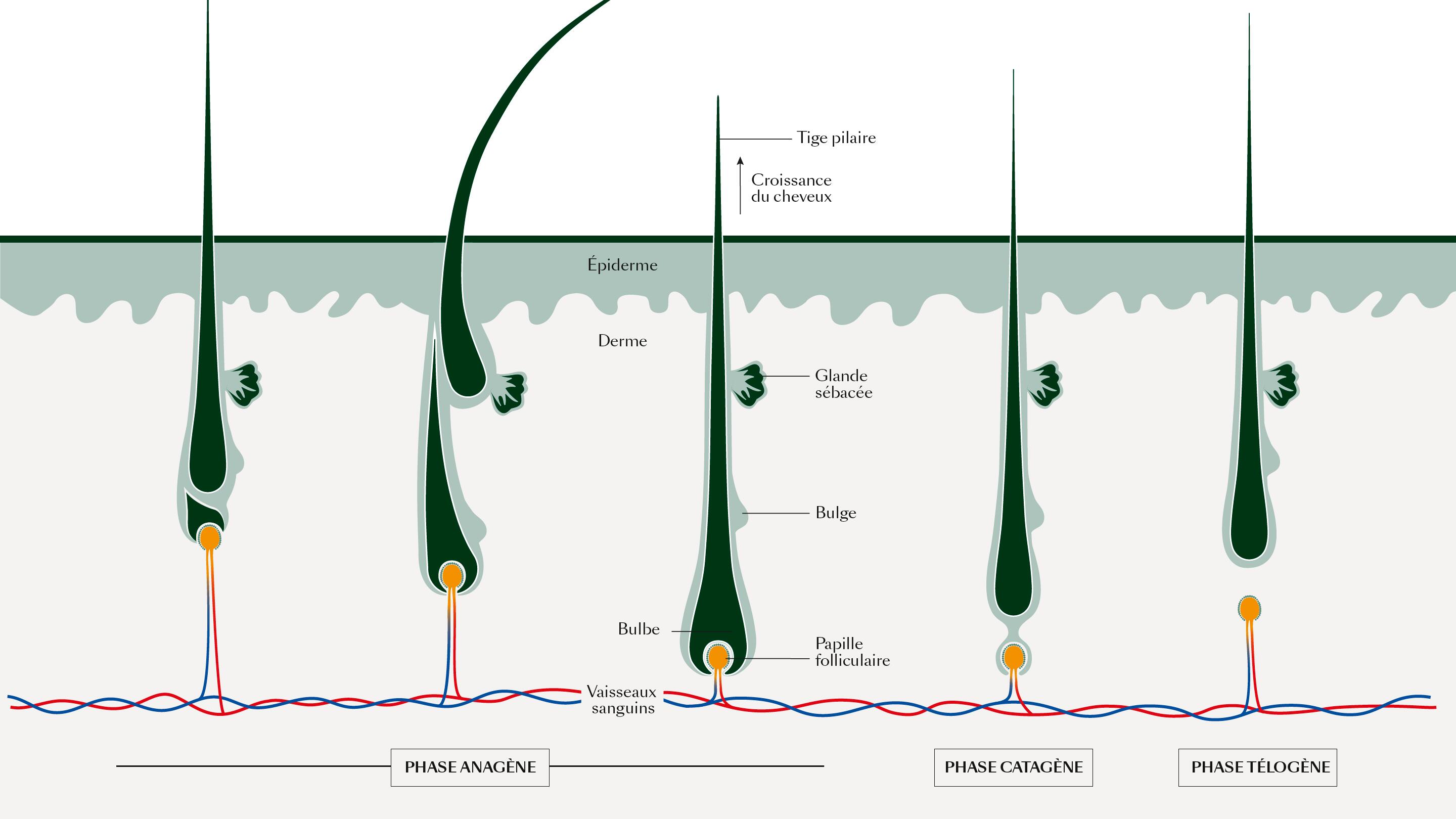
We have between 100,000 and 150,000 hairs on our scalp, but they are not all in the same phase at the same time. While some are growing, others are stagnant or falling out, following a very specific rhythm.
The hair cycle consists of three phases:
- The hair growth phase, known as the anagen phase. It lasts around 3 years in men and 5 years in women. It is during this phase that keratin, the essential protein for hair composition, is formed. This is also the ideal moment to act to promote growth.
- The stagnation phase, known as catagen phase. This is a brief phase that lasts between 2 and 3 weeks, during which the hair stops growing. The hair follicle regresses and becomes inactive.
- The resting phase, known as telogen phase. The hair dies but remains rooted for around 3 months. A new, young hair will then grow and dislodge it, causing it to fall out.
Caption
- Blood vessels
- Follicular papilla
- Hair bulb
- Bulge
- Sebaceous gland
- Dermis
- Epidermis
- Hair growth
- Hair shaft
- Protective barrier
A - Anagen phase
B – Catagen phase
C – Telogen phase
Identifying the causes of hair stagnation
Our health or emotional state can disrupt the hair cycle. These disruptions can be caused by the use of certain hair care products or heated appliances, such as hair dryers and straighteners.
To find the right solution to hair stagnation, you need to identify the cause. Indeed, slowed hair growth is different from hair loss (whether gradual or sudden). Alopecia, for example, requires specific treatment.
Weakened or stunted hair growth can be linked to fatigue or stress. Hair in the growth phase needs energy and nutrients: iron or vitamin deficiencies can slow down or hinder this process. Hormonal imbalances, such as those experienced during pregnancy, can also disrupt the hair cycle.
Finally, hair aging, which generally occurs after the age of 50, can also slow down hair growth. However, it does not usually stop it altogether.

What are the available solutions to stimulate hair growth?
Adopt a hair care routine
To have healthy hair, you need a healthy scalp: it is on this fertile “soil” that the hair bulb takes root. The bulb then provides the nutrients needed for hair to grow strong and resilient. The scalp also acts as a protective barrier and thermal insulator. It is an extremely important and sensitive area of the body; therefore, it needs to be properly cared for with well-formulated hair care products.
How can you stimulate hair growth? By selecting suitable products made with safe ingredients known for their effectiveness. René Furterer experts develop hair care products and dietary supplements using proven components such as propolis and caffeine to boost hair growth.
*Patent pending in France
Improve your diet and use dietary supplements
A healthy, balanced, and varied diet is essential to provide the nutrients necessary for long, thriving hair.
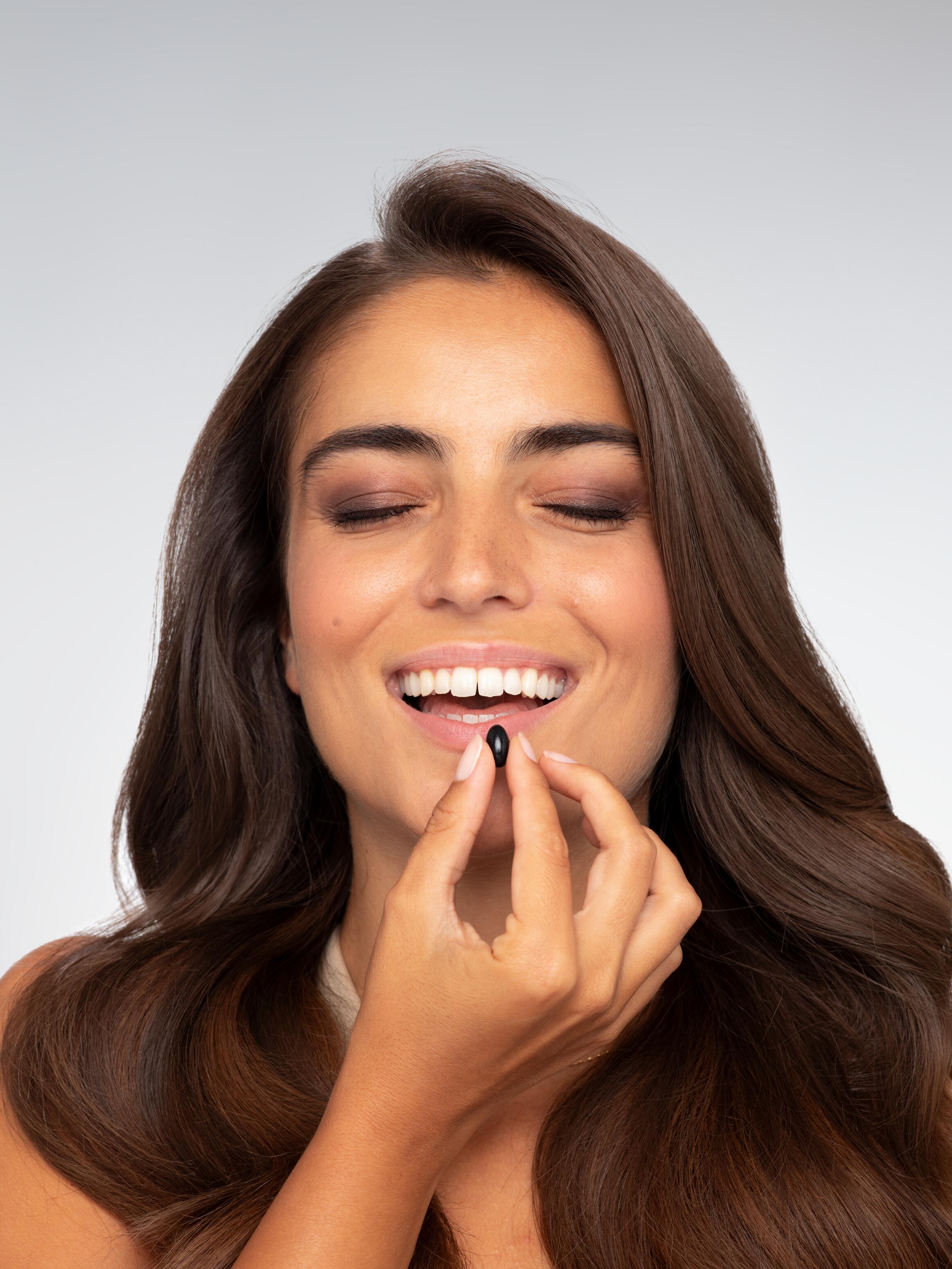
To support this approach, our hair supplements combine several targeted active ingredients. L-cystin, an amino acid essential to the production of keratin. Borage oil, an oil rich in essential fatty acids. Blackcurrant extract, a natural source of antioxidants. Zinc sulfate, known for its role in hair growth. And finally, D-biotin, a B vitamin essential for healthy hair.
These ingredients work together to strengthen the hair fiber and promote healthy growth.
For best results, opt for three-month courses repeated throughout the year, especially during times when your hair is most vulnerable, such as seasonal changes.
Incorporate scalp massages into your routine
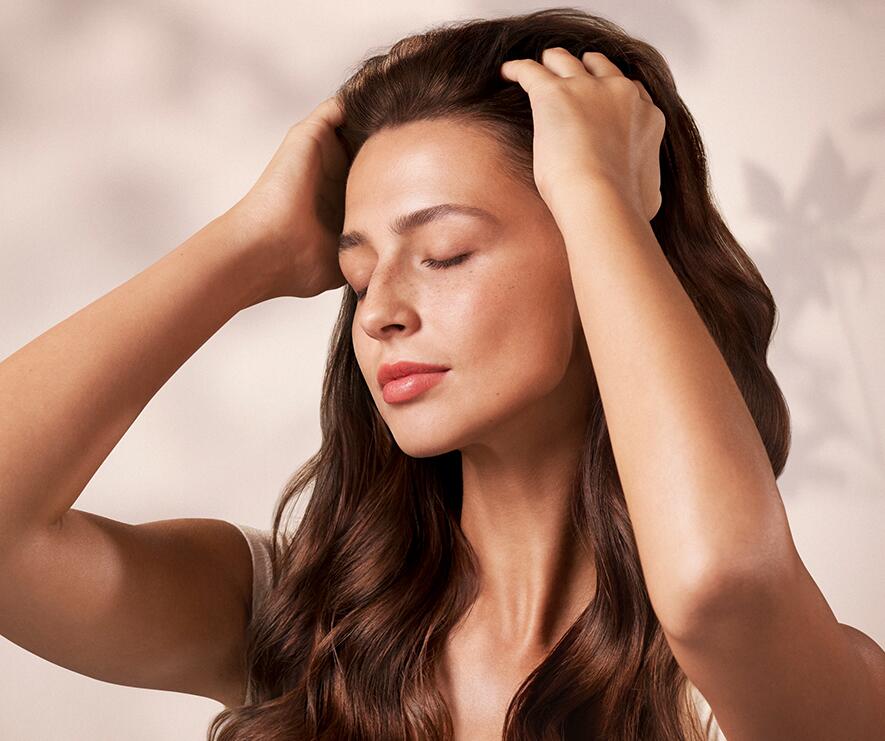
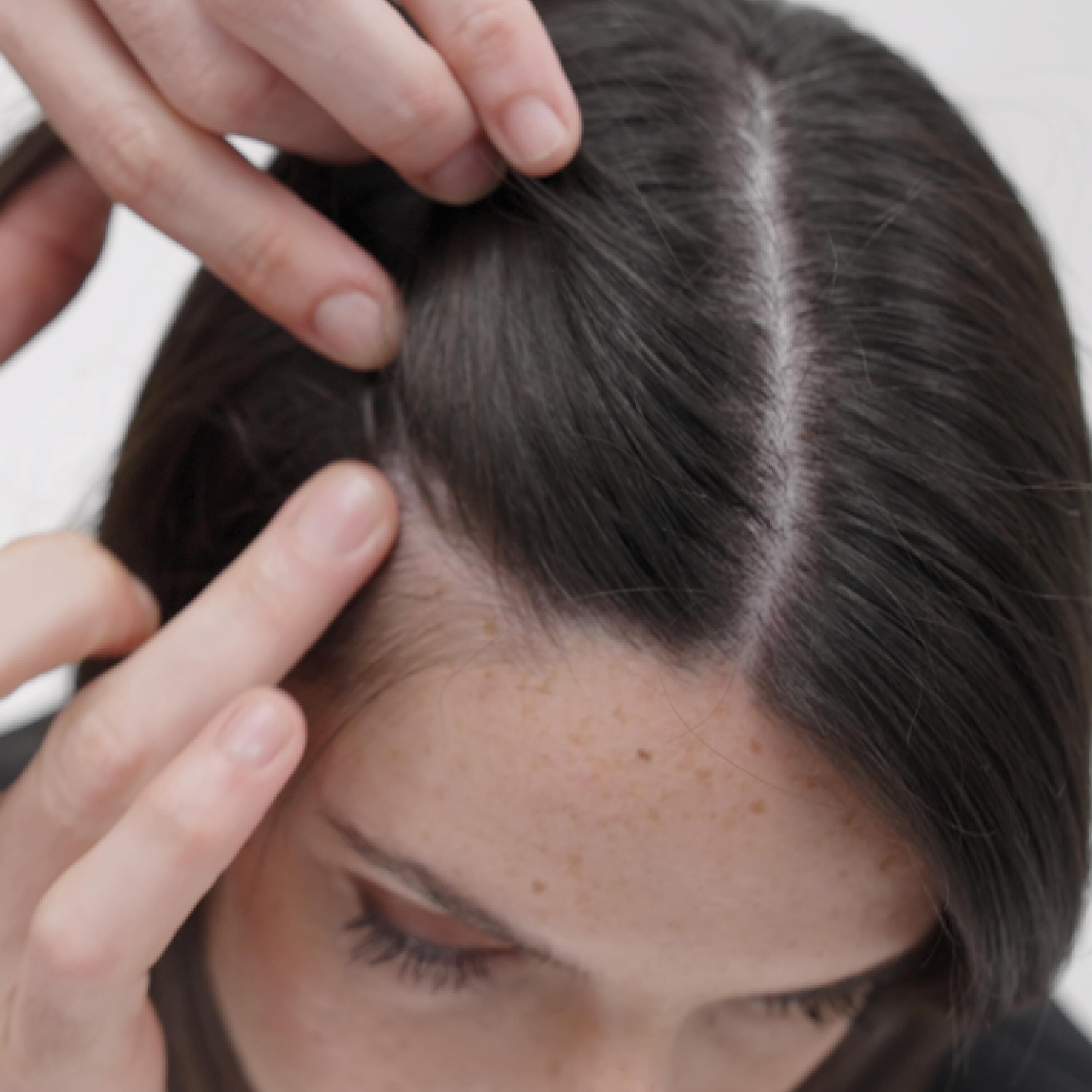
This is a practice you should incorporate into your hair care routine. Massaging your scalp has many benefits. First, it releases tension and provides an immediate feeling of well-being.
It also stimulates blood circulation. This irrigation of the hair follicles makes hair stronger and encourages growth. Massage or self-massage supports the overall health of your scalp, especially when combined with a suitable natural treatment, such as one essential or plant oil-based.
What is the best way to do it? There are three things to consider when massaging the scalp: the technique, the area being massaged, and the direction of the movement. There is a solution for every need. Light strokes, pressure, and drainage on the top of the head and along the meridians—from bottom to top to increase energy or from top to bottom to regulate it. A specialized practitioner can perform this massage, but it is also possible to do it yourself.
Revitalize a tired scalp with the right massage.
Reduce hair breakage
Caring for your hair means stimulating growth, but also adopting the right habits to prevent breakage. Styling tools should be used with caution. Hair dryers should not be too hot or held too close to the scalp. You should also limit your use of curling irons and straighteners, as they damage the hair. Various products are available to protect your hair, help strengthen it, and preserve its shine, especially when exposed to heat and external aggression.
Styling products such as hairspray can dry out, damage, and break the hair. And so does repeated coloring as well as the use of harsh chemicals that damage the hair's keratin.
Hard water, pollution, chlorine, salt, and UV rays can also attack the hair fiber and alter your hair texture. To defend against these aggressors, it is important to use appropriate protective hair care products—such as an anti-pollution serum or a protective oil—and to be extra vigilant in summer.
Hair problems: how to treat them?
To treat slow or stagnant hair growth, you must check for other underlying hair and scalp imbalances. Irritation, sensitivity, dryness, or excess sebum can disrupt hair growth. The first step is, therefore, to carry out a hair and scalp diagnosis to identify the root cause. A dermatologist can perform this diagnosis.
Hair loss—whether sudden or gradual—needs to be properly understood in order to take the right approach. To achieve lasting results, it is essential to combine actions that limit hair loss while also stimulating regrowth.
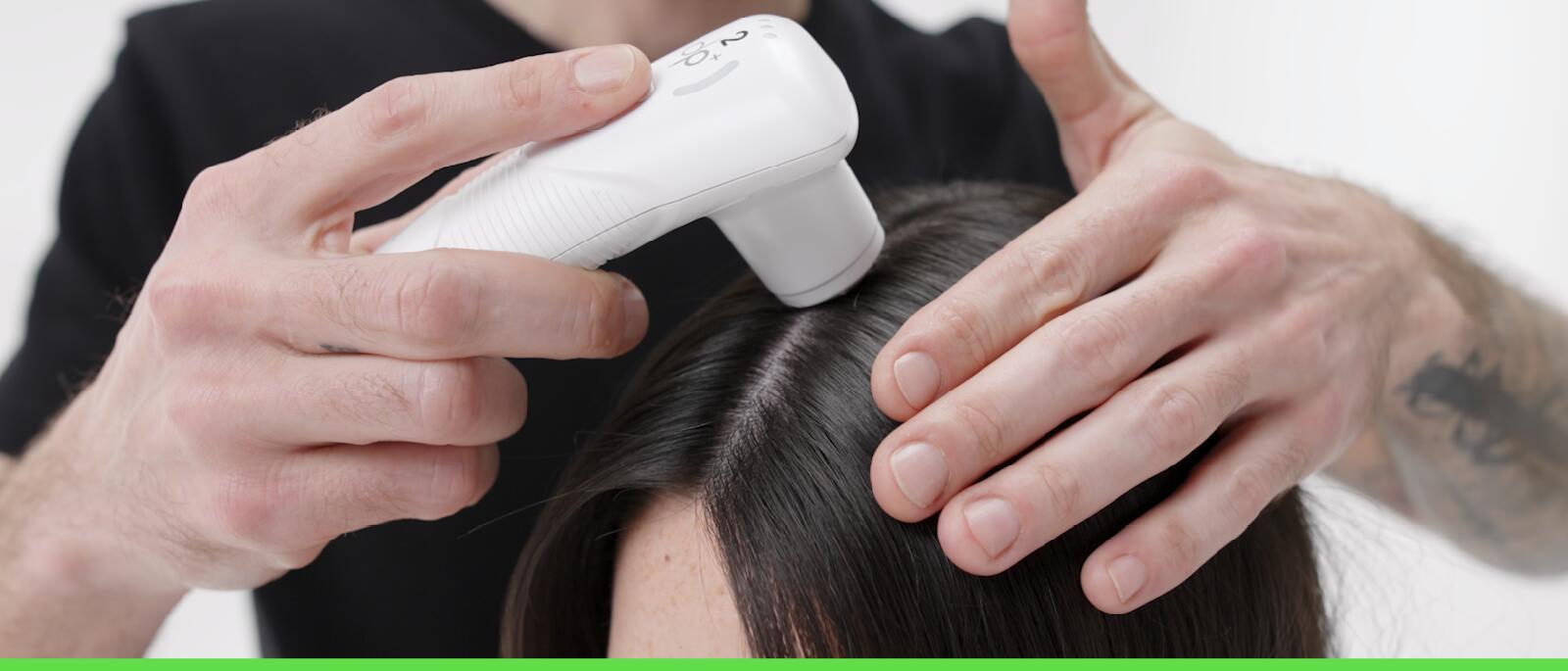
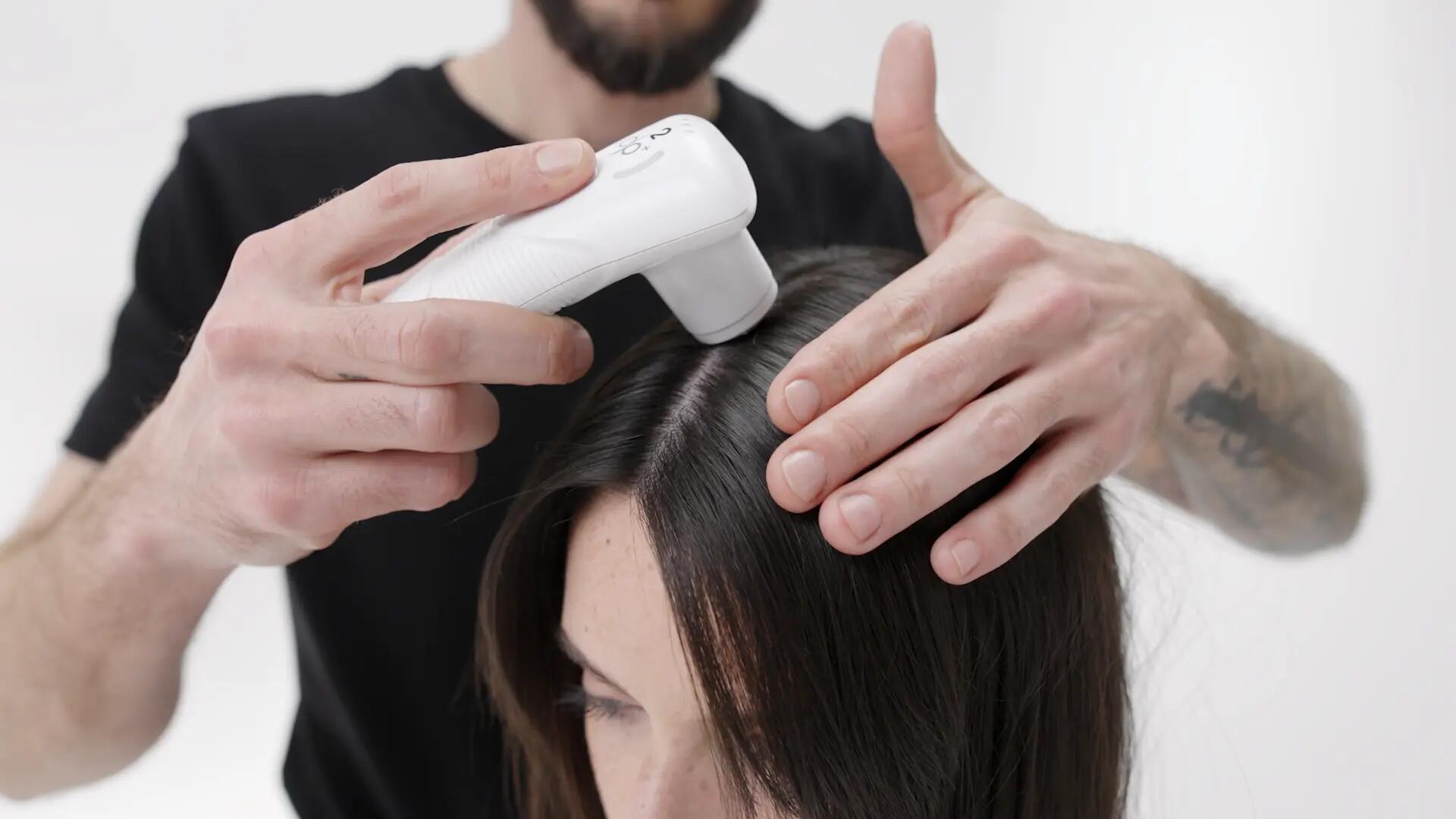
A personalized scalp diagnosis can be carried out using a Capilliscope, a tool that allows you to observe the condition of the scalp and hair in great detail. This assessment helps to better understand your hair’s needs and, therefore, choose the most appropriate care products.
External factors influencing hair growth
Watch out for nutritional deficiencies and hydration
Nutritional deficiencies directly impact hair health. To support hair growth, focus on:
- Vitamin D. It contributes to the formation of hair follicles and hair growth.
- Zinc. It contributes to keratin synthesis and stimulates micro-circulation in the hair.
- Vitamin B. It helps produce keratin and keep hair healthy.
- Iron. It contributes to the oxygenation of the hair follicle.
Hydration plays an active role in maintaining healthy blood flow to the scalp—which is essential for delivering nutrients and oxygen to the hair follicles. Like the skin, the scalp is made up of several layers that require water to stay balanced and support hair growth. Water is also a component of the hair’s structure: when properly hydrated, hair is more flexible, more elastic, and more resistant.
To stay well hydrated, it is recommended to drink between 1.5 and 2 liters of water per day, consistently throughout the day. High-quality water, consumed regularly, also provides a varied intake of minerals.
The impacts of stress and seasonal changes
During periods of intense or prolonged stress, the body produces significant amounts of cortisol. This hormonal spike disrupts the hair's life cycle, causing many hair follicles to enter the shedding phase.
Stress also has negative effects on the growth phase by diverting blood flow away from the scalp. It receives fewer nutrients, less oxygen, and is no longer able to effectively “nourish” the hair. As a result, growth slows down, hair becomes finer, and might be less abundant.
Hair stress can be more intense during seasonal changes. Climate variations, sunlight, temperature, humidity, changes in diet... all these factors influence our metabolism.
To prevent and counter these effects, it is important to adjust your routine differently for each season: in spring, stimulate; in summer, protect; in autumn, strengthen; in winter, nourish. All while tailoring your hair care routine to your personal needs.
Our treatments
- Sérum accélérateur de pousse
Triphasic ACTIVE GROW
Sérum accélérateur de pousseApporte lumière et brillance - Accelerates hair growth - Masque fortifiant anti-casse
Triphasic ACTIVE GROW
Masque fortifiant anti-casseAccelerates hair growth - Detangles without weighing down - Provides strength and resistance