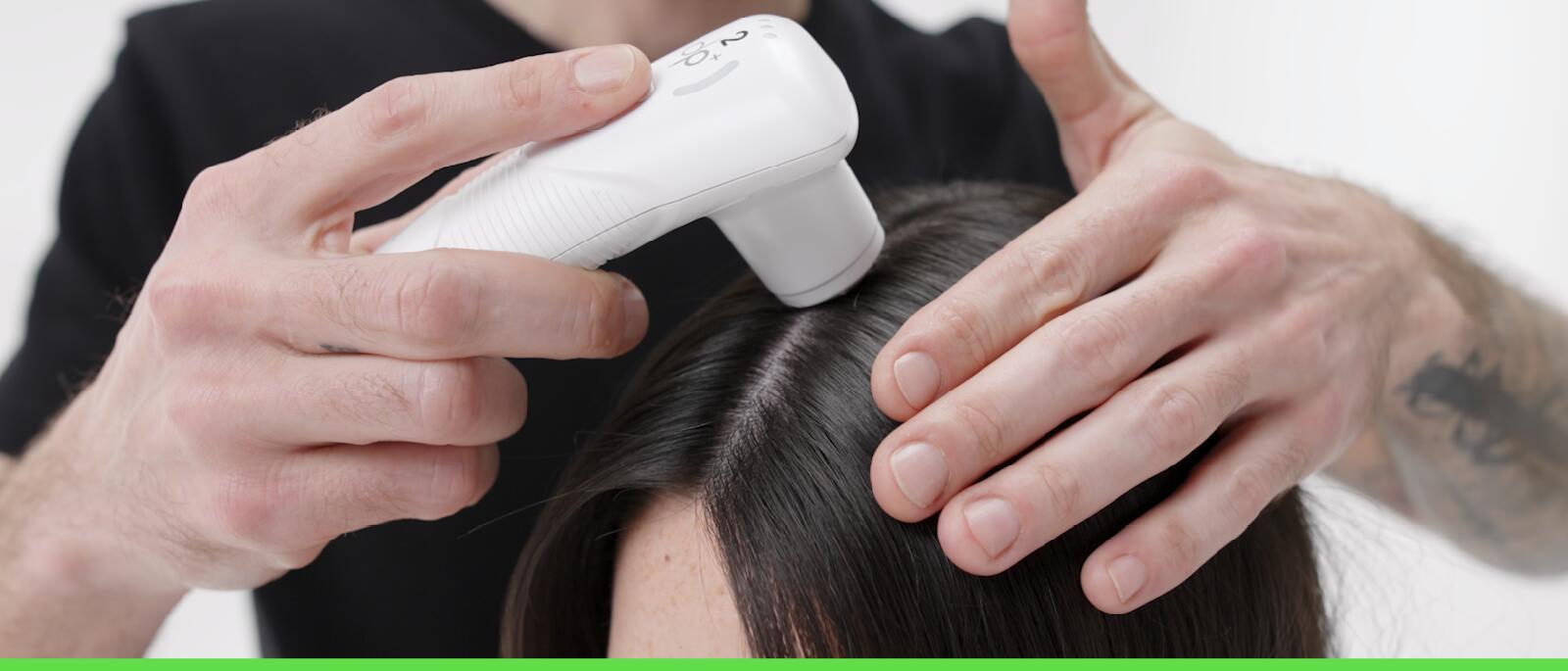
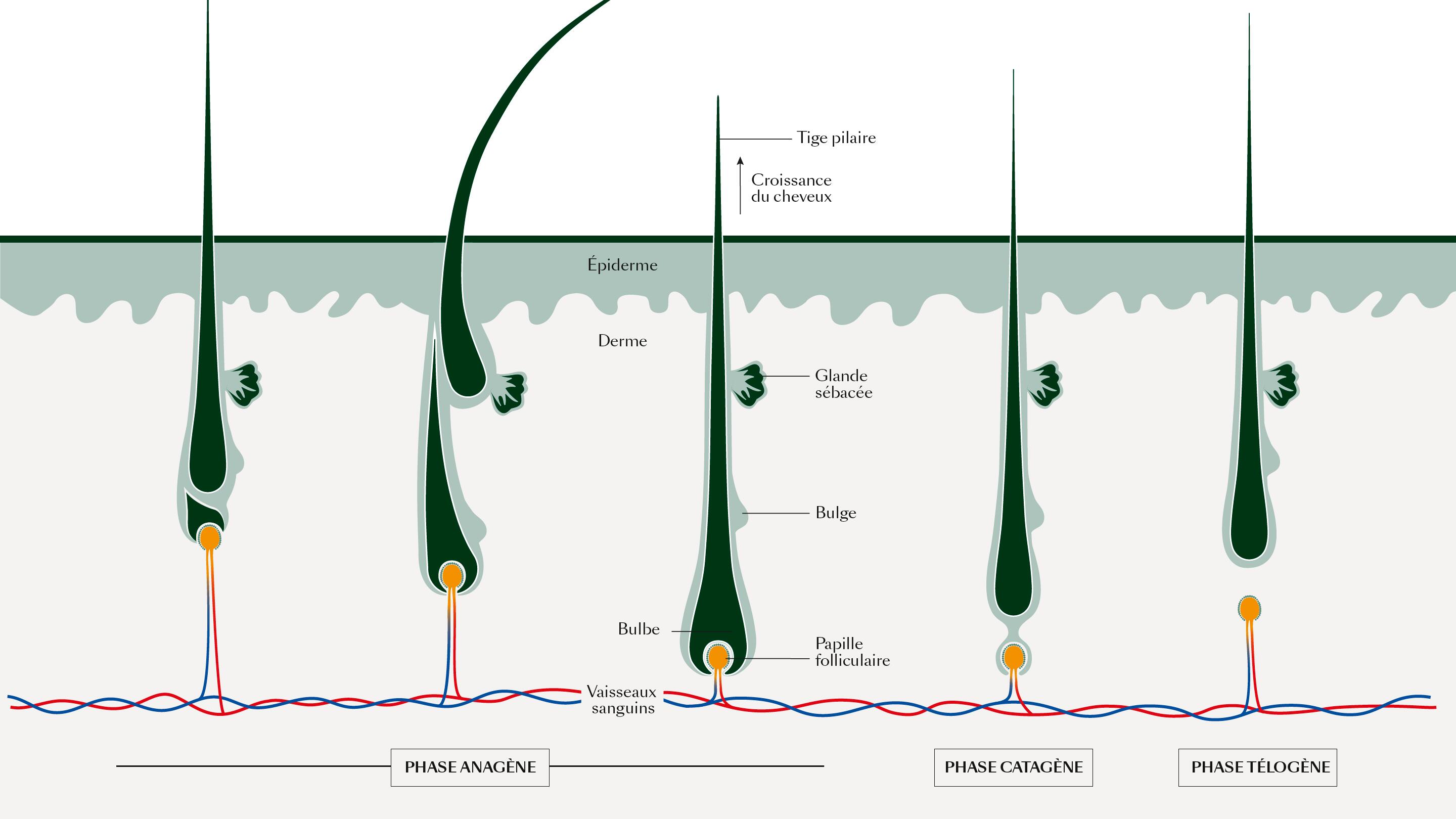
Hair growth cycle
The hair growth cycle consists of three phases—anagen, catagen, and telogen—which govern hair growth, rest, and natural shedding. Understanding these stages is essential for promoting healthy, sustainable hair growth.



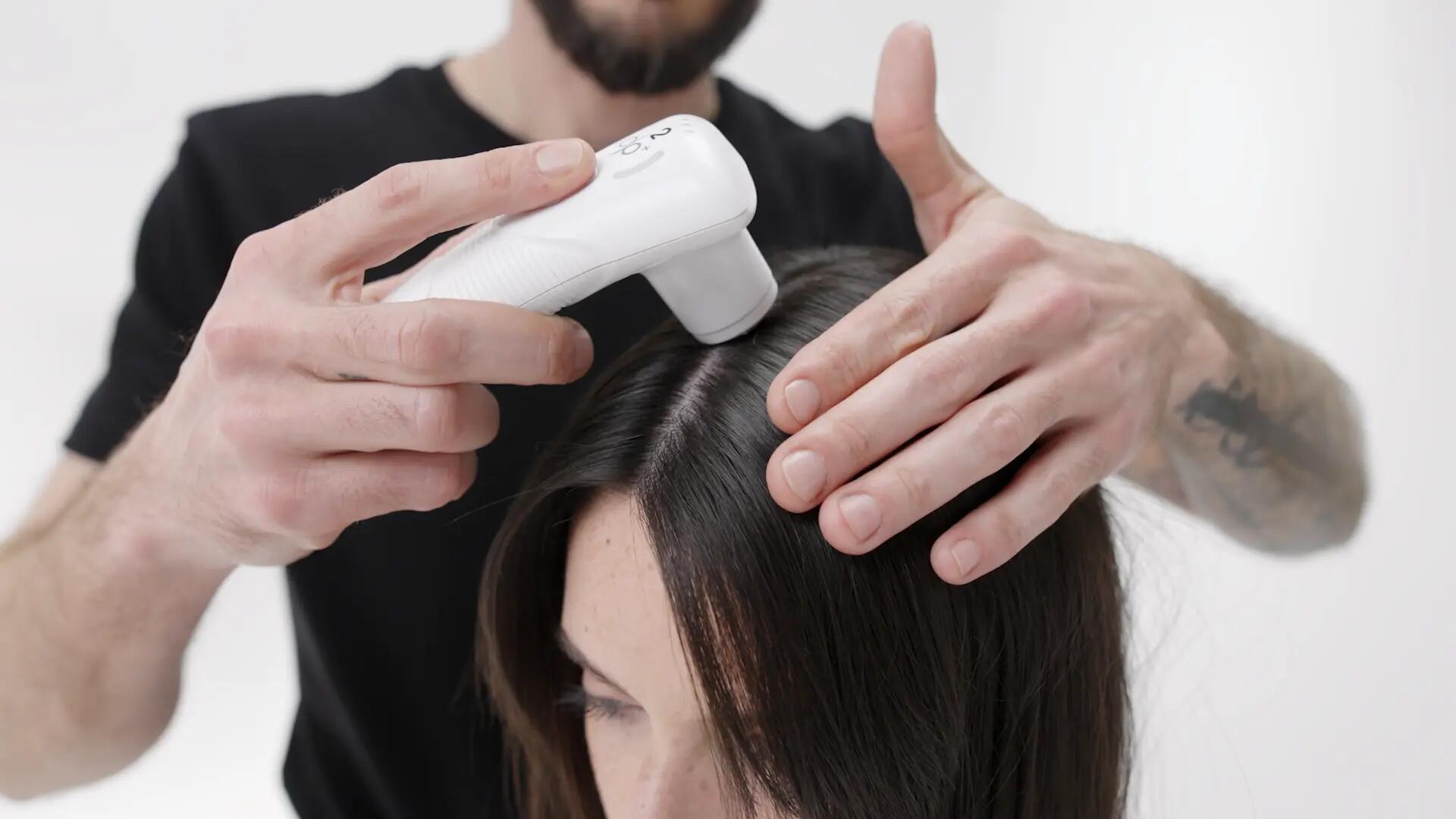

Triphasic ACTIVE GROW
Sérum accélérateur de pousse
Triphasic ACTIVE GROW
Fortifying anti-breakage mask
The hair growth cycle consists of three phases—anagen, catagen, and telogen—which govern hair growth, rest, and natural shedding. Understanding these stages is essential for promoting healthy, sustainable hair growth.

How can you grow long, strong hair? The key lies in a simple but effective routine that combines tailored hair care products, a balanced diet, and protective measures. In this article, discover our top tips for promoting hair growth while strengthening your locks on a daily basis.

Want to grow your hair faster? Good news: certain habits can stimulate growth naturally. Diet, massages, targeted treatments... Discover tips that really make a difference in boosting growth without damaging your hair.