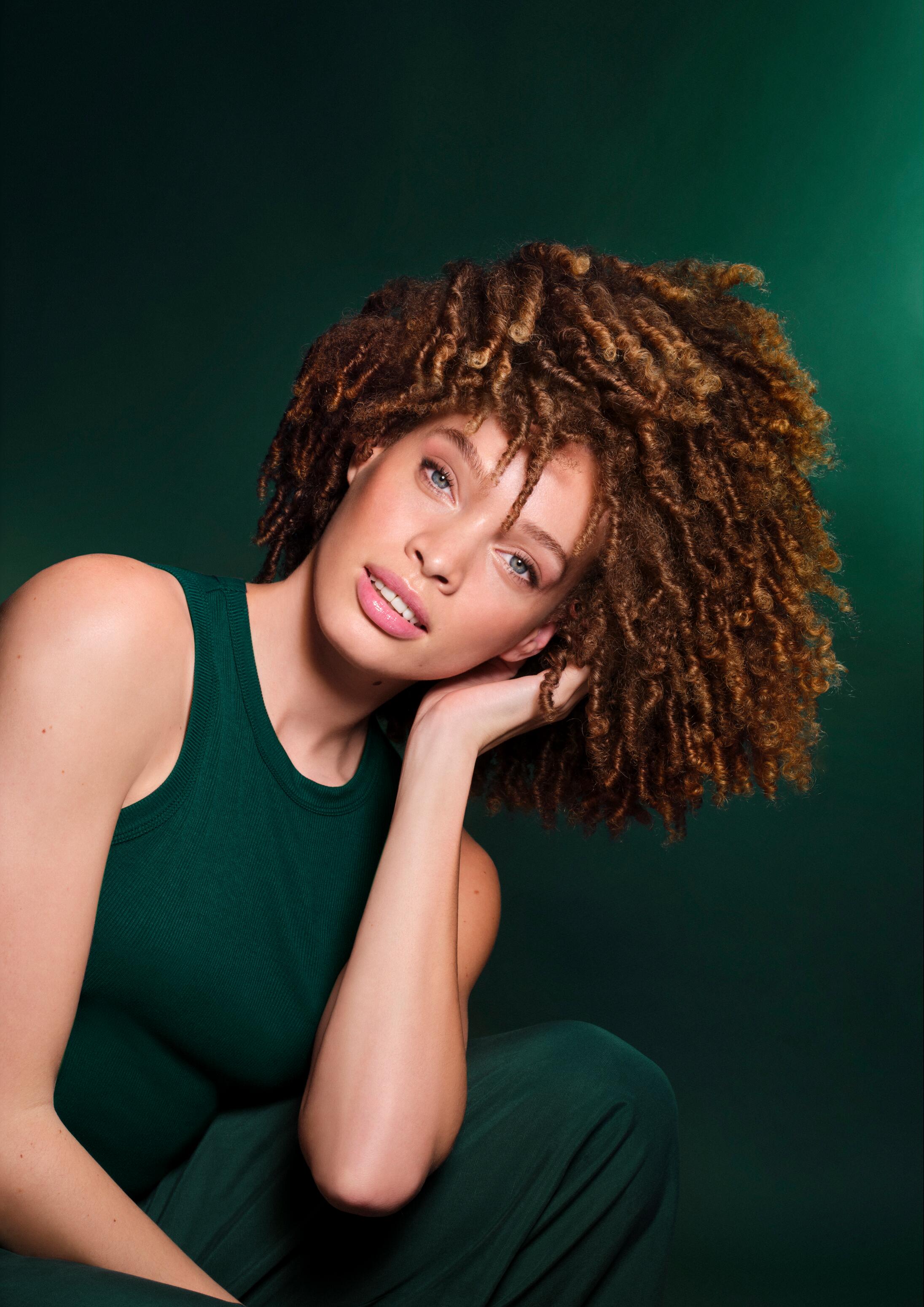
How to hydrate your hair: the complete guide
Beautiful hair starts with proper hydration. The good news is, that with the right habits and a tailored haircare routine, you can restore your hair’s shine. Does your hair lack softness and suppleness? Discover our effective solutions for deep hydration !
Updated on , validated by our team of René Furterer experts.
Recognised dehydrated hair
What is the difference between dry hair and dehydrated hair?
Dry hair is most often linked to insufficient sebum production. Sebum is produced by the sebaceous gland and essentially forms the hydrolipidic film. This film covers the scalp and hair shaft, protecting it, helping regulate moisture, and giving the hair a soft appearance. Dry hair lacks nutrition–it needs fats or lipids–and tends to be brittle, have split ends, and be prone to frizz. Note that curly, frizzy, and coily hair is naturally dry.
Dehydrated hair, on the other hand, lacks water. Sebum production is sufficient, but the hydrolipidic film has been damaged. The hair becomes porous and does not absorb nor retain hydration effectively. The hair’s porosity is determined by how open the hair cuticles are. The hair is naturally porous, but overly opened cuticles make it too porous, causing it to lose moisture more easily. Dehydrated hair is also more fragile, dull, and rough to the touch.
Signs and symptoms of dehydration
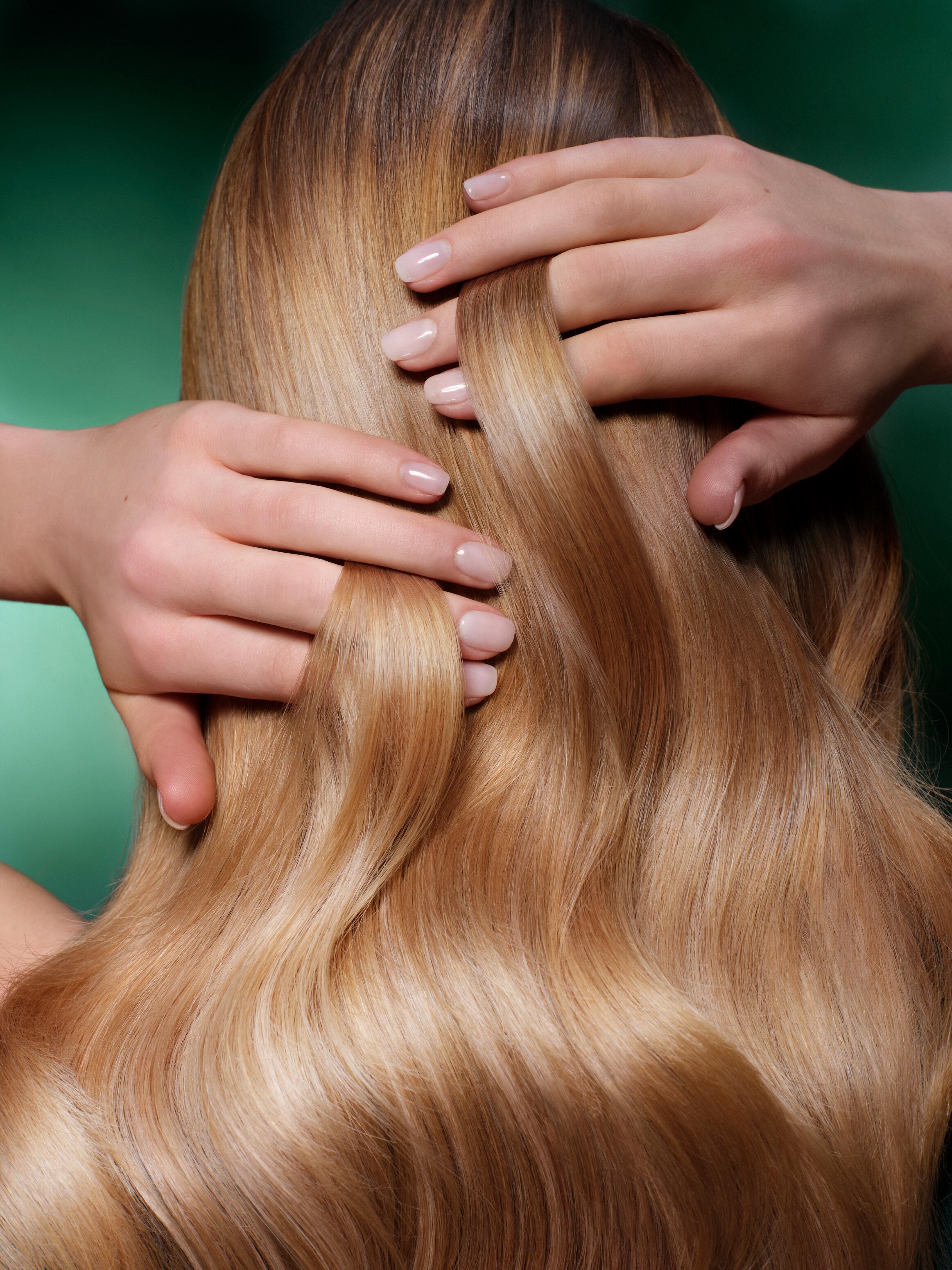
Dehydrated hair can be recognised by its appearance:
- Rough to the touch: dehydrated hair resembles straw and is unpleasant to the touch.
- Lack of shine and radiance: dehydrated hair looks dull, due to the cuticles lifting and reflecting the light less effectively.
- Frizz: frizz appears as small, unruly strands lifting from the hair to seek moisture in the hair, giving it a fluffy, unkept look.
- Difficult to style: dehydrated hair is prone to tangles and is more unruly. Detangling can be painful.
- Static electricity: hair lacking hydration is more sensitive to static electricity. This is especially noticeable in dry hair, such as during winter.
To restore soft, silky hair, it is important to hydrate the scalp and hair shaft.
How to prevent and hydrate dry ends?
Environmental factors
Many environmental factors can cause hair to lose moisture. Sun, wind, heat, cold, seawater, pool chlorine are all aggressors that dry out the scalp and hair shaft. They can also affect the hair’s water retention ability, leading to ongoing dehydration.
Another environmental factor contributing to hair dehydration : pollution. Dust, exhaust fumes, and fine particles settle on the hair and scalp, suffocating them. The cuticles spread apart, allowing moisture to evaporate more easily. Hair becomes dull and less supple.
Low humidity levels–which are common in winter–can also cause the hair to become dehydrated.
Here are some tips to protect your hair:
- Choose protective, gentle hairstyles: loose braids, low buns, and low ponytails are excellent options to protect the hair from the sun or wind without damaging it.
- Protect your hair from UV rays using hair sun protection. These products form an invisible, non-greasy film that prevents UV rays from penetrating the hair fibre. Remember to reapply throughout the day, just like with skin sun cream. To evaluate the product's effectiveness, refer to the KPF (Keratin Protection Factor), the hair equivalent of SPF. The highest protection level is KPF 50+.
- Remember to rinse your hair with clear water after swimming to rid it of sea salt or chlorine. If you can, wash your hair with a hydrating and repairing shampoo.
- If you live in a polluted environment, consider using an anti pollution treatment and a hair scrub for an effective detox effect.
Chemical treatments and heated styling tools
Chemical treatments (such as colouring, bleaching, hair straightening and perms) damage and weaken the hair fibre. These harsh processes cause the cuticles of the hair to lift, which accelerates the evaporation of water maintained in the hair. It is best to avoid using these products as much as possible or opt for gentler alternatives such as plant-based hair dyes.
Similarly, using heated styling tools (hair dryer, straighteners and curling irons) contributes to hair dehydration. Heat removes oils and causes the water naturally present in the hair to evaporate more quickly. To avoid these problems, remember to pre-dry your hair with a soft microfiber towel, use a thermo-protective product, and set your styling tools to the lowest temperature setting. However, allow your hair to air dry whenever possible.
The importance of a balanced diet for hair hydration
Maintaining a balanced diet is essential not only for overall health, but also for healthy, hydrated hair. Nutrient deficiencies can negatively impact your hair, especially its ability to stay hydrated. Hair that receives all the vitamins and trace elements it needs will be more resilient to external aggressors.
Which nutrient should you prioritise for hair hydration?
- Proteins: the hair shaft is mainly composed of proteins (keratin) so integrating them in your diet–whether animal- or plant-based–in the form of eggs, meat, fish, or legumes.
- Omega-3: this essential fatty acid, found in fatty fish (like mackerel and sardines) and nuts, helps reduce dryness in both the scalp and hair.
- B vitamins: B vitamins are important for hair health as they help in keratin production. Specifically, vitamin B5 maintains hydration, vitamin B8 (biotin) supports hair growth and strength. B vitamins are found in many foods. Vitamin B5 is found in whole grains, royal jelly, and eggs ; vitamin B8 is found in liver, legumes, tomatoes, and eggs.
- Iron: this trace element strengthens and nourishes the hair. It can be found in red meat, lentils, nuts, egg yolk, and green leafy vegetables. Avoid drinking tea while consuming iron-rich foods, as the tannins contained in tea inhibit iron absorption. Conversely, vitamin C increases iron absorption.
Alongside a balanced diet, you may also consider taking hair-specific dietary supplements to support optimal hair health.
Lastly, do not forget to drink enough water every day–hydration from within will definitely show in your hair.
What haircare routine should you follow to maintain hydration?
Hydrating routine for dry hair
Dry hair needs both hydration and nourishment. Your haircare routine should address both needs and may include the following products:
- A gentle, hydrating shampoo that is sulfate- and silicone-free.
- A conditioner to apply after each shampoo to detangle and hydrate your hair.
- A leave-in moisturising cream to protect, hydrate and style your dry hair daily.
- A weekly moisturising hair mask to deeply hydrate your hair. You can alternate with a nourishing mask.
Hydrating routine for damaged hair
Damaged hair has similar hydration needs to dry hair. However, you can adopt a moisturising and repairing routine that focuses on proteins.
Keratin (a protein), is the primary component of hair. Haircare products with plant-based keratin can help fill gaps in the hair’s keratin, rebuilding its structure. This is perfect to restore beauty and shine to damaged hair.
Hydrating routine for coloured hair
Coloured hair is weakened. Chemical dyes alter the hair structure by opening the cuticles and allowing colouring agents to enter. Coloured hair faces two main issues: providing hydration and maintaining the colour as long as possible.
What routine should you adopt?
- A shampoo specifically for coloured hair., designed to protect colour vibrancy and add shine while gently cleansing. Make sure to choose a sulphated surfactant- and silicone-free formula, as these ingredients can be harsh on the scalp and hair shaft. Opt for natural active ingredients.
- A mask that repairs, hydrates, and strengthens the weakened hair fibre. Use it after every shampoo.
- A leave-in thermal protecting cream that hydrates, shields coloured hair from heat, and makes styling easier.
Hydrating routine for wavy and curly hair
Curly hair has a spiral structure that prevents sebum from spreading evenly along the hair shaft, making it naturally dry.
However, a suitable haircare routine can help meet its hydration needs. In addition to a gentle shampoo and a conditioner that detangles and protects from frizz, apply a spray for curly hair in between washes to redefine and hydrate your curls.
Hydrating routine for coily and kinky hair
Coily and kinky hair has tighter curls than curly hair: it is generally weaker and drier.
Choose a gentle, hydrating shampoo. Every day, apply a leave-in moisturising cream or a multipurpose oil to your lengths to seal in moisture and protect the hair fibre from external aggressors. Complete your routine with a weekly moisturising mask.
Hydrating routine for straight hair
Just like textured hair, straight hair has specific needs. How can you provide the necessary hydration? Start with a gentle shampoo suited to your scalp’s condition (whether it is irritated, sensitive, oily, dry, or prone to dandruff) then apply a conditioner that hydrates and detangles after washing. If your lengths tend to easily get weighed down, make sure to choose lightweight products. Finally, you can use a daily, leave-in hydrating treatment to style and protect your straight hair.